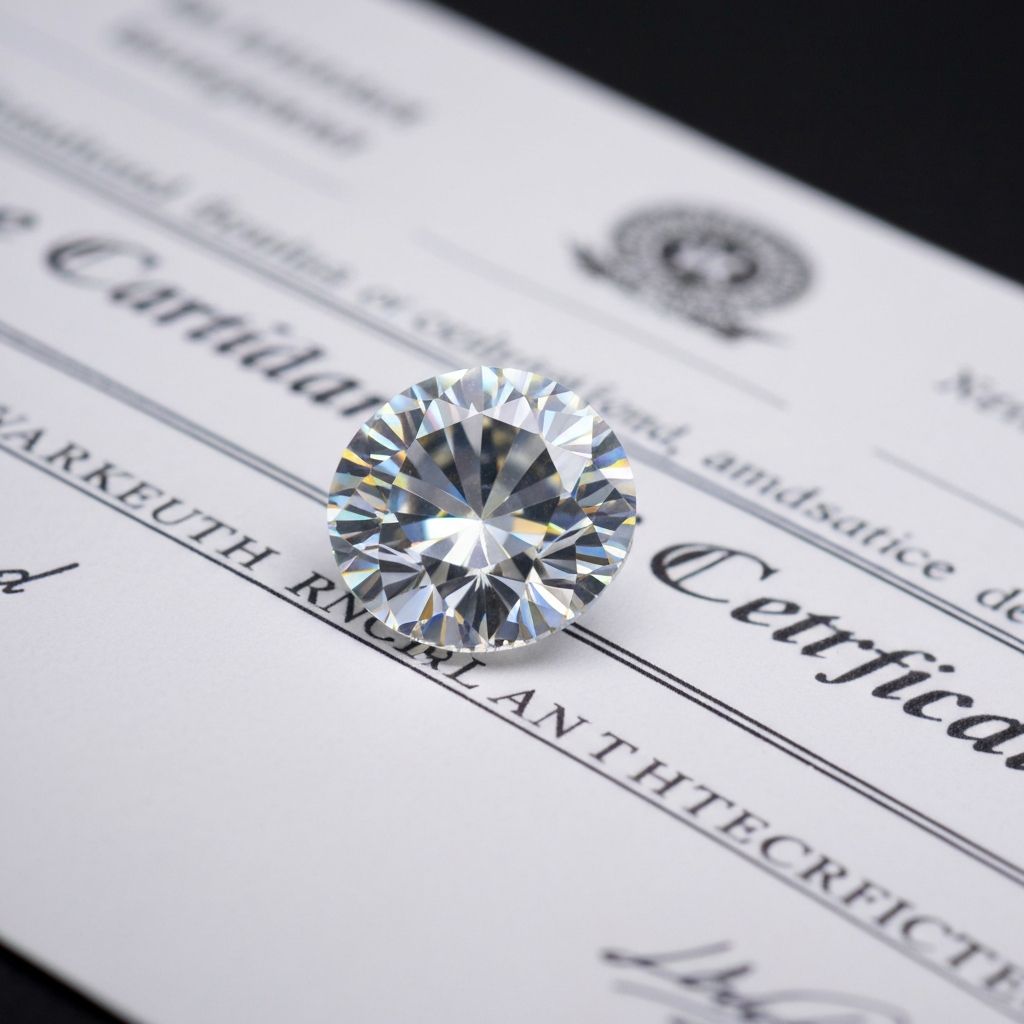
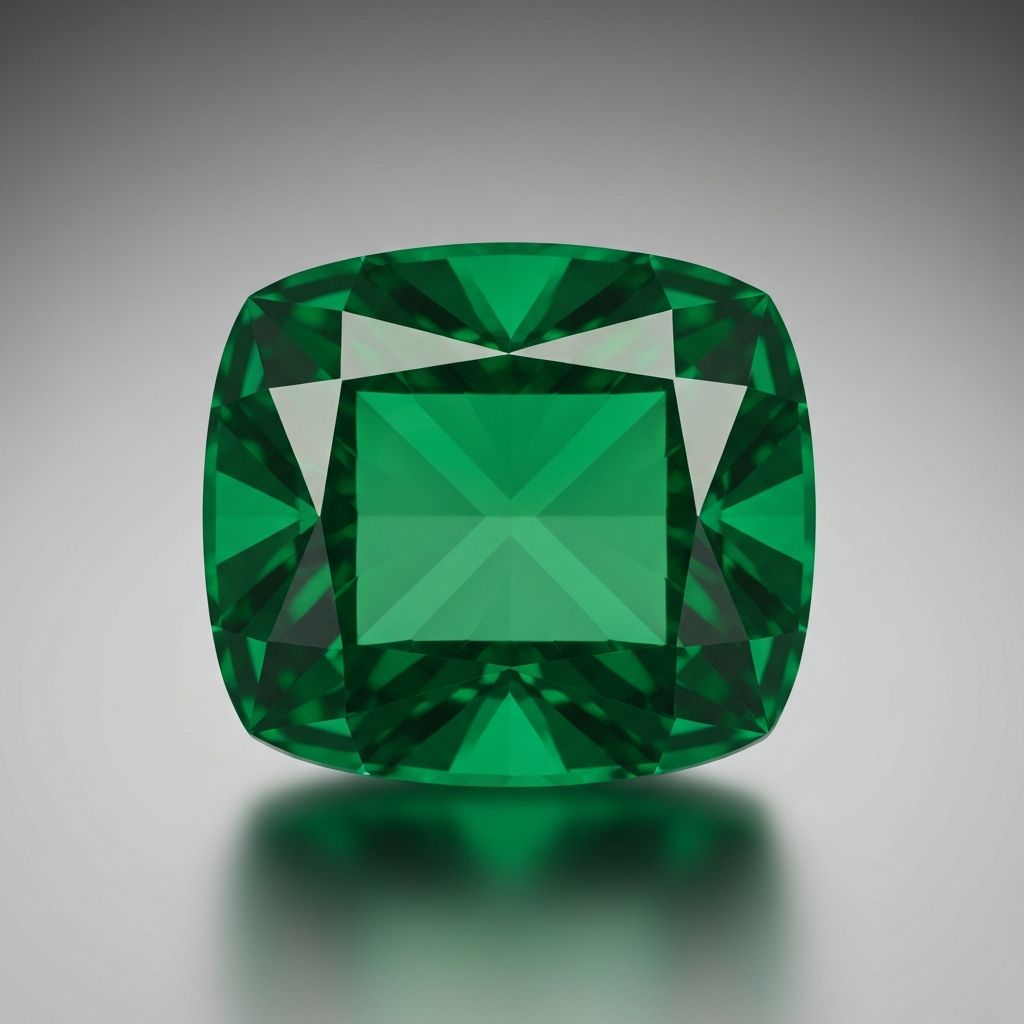
Lab Grown vs Natural Diamonds: Making the Right Choice
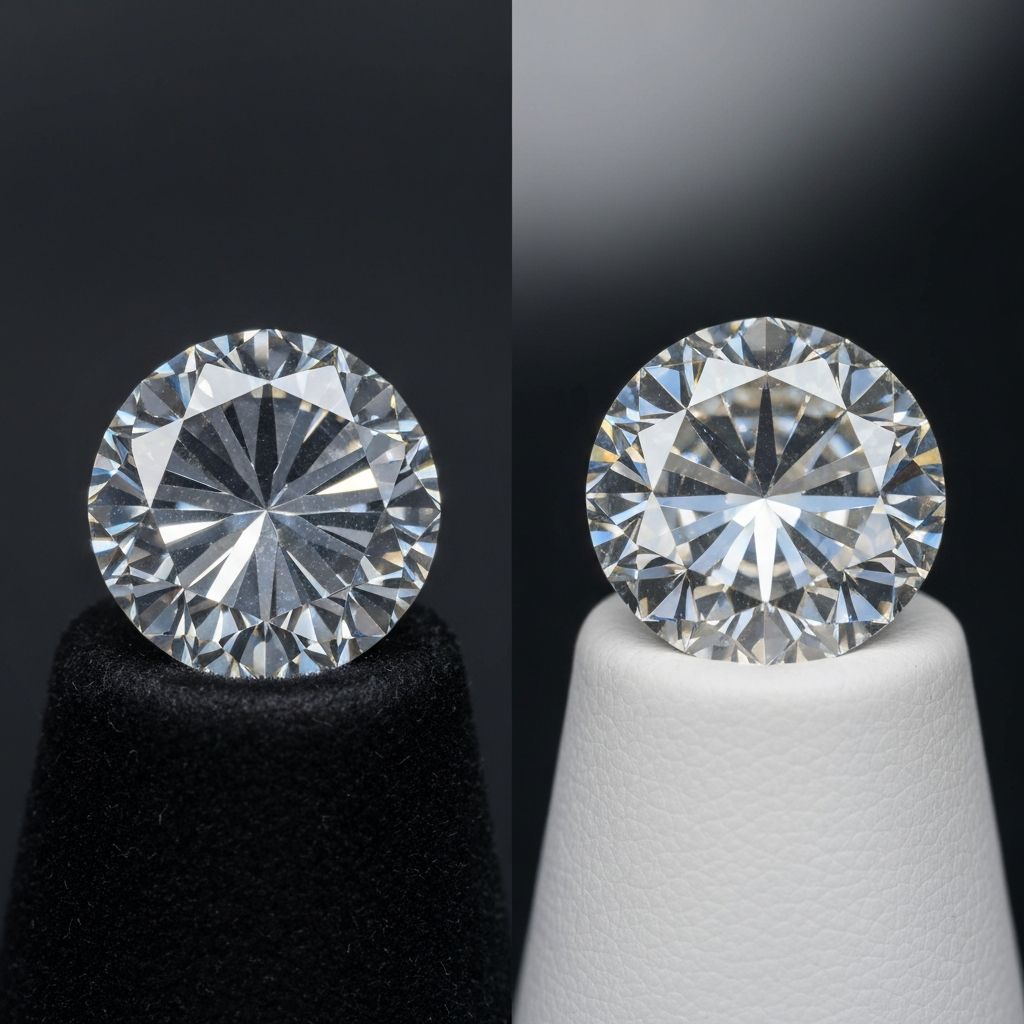
The diamond industry has been transformed by the introduction of Lab Grown diamonds, offering consumers a new set of choices when it comes to their jewelry purchases. Both Lab Grown and natural diamonds have their merits, and choosing between them comes down to your personal values and budget.
Lab Grown diamonds are created in controlled laboratory environments using advanced technological processes that replicate the natural diamond formation. These diamonds are chemically and physically identical to natural diamonds. The main differences are their origin and their typically lower price point.
Natural diamonds, on the other hand, are formed deep within the Earth over billions of years. They carry a unique story and are rarer than their Lab Grown counterparts. Many people value this natural origin and the rarity factor.
From an environmental perspective, Lab Grown diamonds have a smaller carbon footprint and don't require extensive mining operations. However, modern natural diamond mining has become increasingly responsible, with many mines implementing sustainable practices.
Financially, Lab Grown diamonds typically cost 30-40% less than natural diamonds of similar quality. This makes them an attractive option for those seeking to maximize the size and quality of their stone without breaking the bank.
The choice between Lab Grown and natural diamonds is personal. Consider your values, budget, and what matters most to you in a piece of jewelry. Both options are excellent choices for engagement rings, pendants, and other jewelry pieces.
Key Takeaways
- ◇Lab Grown and natural diamonds are chemically identical
- ◇Lab Grown diamonds are typically 30-40% less expensive
- ◇Natural diamonds are rarer and have a billions-year origin story
- ◇Lab Grown diamonds have a smaller environmental footprint
- ◇Both are excellent choices for engagement rings and fine jewelry